Your Full Handbook for Garage Door Services: Understanding What to Prepare For and How to Reach Out
Garage doors contribute an critical role in home protection and practicality. However, they are susceptible to multiple issues that can affect daily life. Comprehending typical issues, maintenance approaches, and the appropriate time to seek professional help is essential for homeowners. explore article This guide outlines vital information about garage door maintenance. It poses important concerns about recognizing issues and choosing the appropriate service provider. What else should homeowners know to ensure their garage doors function effectively?
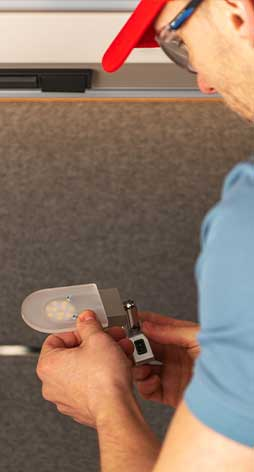
Usual Garage Door Malfunctions and Procedures to Diagnose Them
Most property owners experience common garage door problems that can interrupt daily routines. These problems often manifest in different ways, indicating underlying mechanical or electrical failures. One frequent problem is the door unable to open or close completely, which could suggest out-of-alignment tracks or a broken motor. Another common issue includes strange noises like grinding or squeaking, frequently pointing to worn rollers or lack of lubrication.
Additionally, garage doors may exhibit sluggish operation, a indicator of electrical problems or sensor misalignment. Some homeowners may observe the door reversing without warning, indicating an obstruction or a defective sensor. Finally, visible wear and tear, such as rust or fractures, can compromise the door's integrity. Recognizing these typical problems early can prevent more extensive repairs, ensuring the garage door functions safely and effectively.
How to Fix Typical Garage Door Problems
Fixing typical garage door problems requires a systematic approach to ensure safe and efficient operation. Initially, one should examine the door's tracks for obstructions, guaranteeing smooth operation. If the door is unresponsive, inspecting the remote batteries and the power supply to the opener is vital. In cases of misalignment, the pathways may need adjustment to allow correct operation.
For noisy doors, lubrication of copyrights and rollers can often address the issue. If the door does not close completely, inspecting the closing sensors for obstructions or incorrect positioning is essential. For damaged or deteriorated springs, professional support is advised, as they can be risky to change.
Finally, if the garage door moves in reverse suddenly, testing the safety sensors and ensuring they are clean and correctly positioned can help. Regular checks and timely care of these concerns can increase the longevity of the garage door system.
Best Door Maintenance Recommendations
Proper garage door maintenance is important for promoting reliable and safe operation. Key practices include routine lubrication to mechanical parts and thorough assessments of protective mechanisms. Such measures can greatly extend the garage door's working life while strengthening its operational capacity.
Standard Lubrication Guidelines
Keeping a garage door's functionality depends on regular lubrication practices that improve its efficiency and lifespan. Proper lubrication reduces wear and tear, reducing wear on moving parts such as rollers, copyrights, and tracks. It is advisable to use a silicone-based lubricant or a lightweight oil, which penetrates easily and provides strong defense against rust and corrosion.
Garage door experts advise lubricating lubricant to these components every six months to ensure smooth operation. Additionally, it is essential to wipe off any excess lubricant to prevent particle accumulation. Regularly checking and maintaining lubrication can help spot emerging concerns before they worsen, ultimately extending the durability of the garage door system and ensuring reliable performance for years to come.
Inspecting Security Features
Consistent lubrication practices support the overall operation of a garage door, though careful attention is needed for safety features. It is necessary to check these features regularly to guarantee safe operation. Homeowners should examine the auto-reverse mechanism, which should engage when an object is detected in the door's path. The safety sensors located at the door's base should be clear and well positioned to ensure effective functioning. The door's balance should also be tested since imbalance can create safety risks. Ultimately, ensuring the emergency release mechanism works smoothly is crucial, as it provides a reliable fallback during power failures. Routine safety feature inspections help prevent accidents and extend the garage door system's lifespan.
How Do Garage Door Parts Operate?
Garage doors feature multiple vital parts, each playing a critical role in the system's complete performance. The garage door itself serves as the primary barrier, providing safety and temperature control. The opener, often electric, automates the door's movement, while the remote control allows for convenient access.
Tracks guide the door's motion, guaranteeing seamless operation. Rollers, mounted to the door, facilitate this movement along the tracks. Springs, either torsion or extension, deliver the necessary counterbalance, making it easier to lift the heavy door. Cables connect the springs to the door, enabling tension adjustments.
Positioned close to the ground, safety sensors detect obstacles and prevent the door from closing on objects or individuals. Weather stripping blocks air and water from entering and seals gaps, while the frame holds up the door framework. Each part must work together seamlessly to guarantee the garage door operates safely and efficiently.
Warnings Your Garage Door Requires Skilled Maintenance
Spotting warnings that a overhead door requires professional maintenance is critical for maintaining safety and functionality. Peculiar sounds in working, ease of opening and closing difficulty, and noticeable wear are major signals that intervention may be demanded. Swift action on these issues can prevent compounded complications and secure consistent function.
Strange Sounds During Use
When a garage door starts to release unusual audible signs while in use, it frequently points to mechanical concerns that need expert help. Common noises such as grinding, squeaking, or jiggling often indicate problems with the springs, rollers, or motor. For instance, a grinding noise may suggest that the rollers are not functioning smoothly, while creaking could point to a lack of lubrication. Also, a clattering noise can mean hardware or components are loose and require tightening. Overlooking these sounds can result in major damage and higher repair costs. It is recommended that homeowners avoid trying to fix these problems alone, since improper actions could make the problem worse. Having experts handle it assures that the garage door works safely and efficiently.
Door Won't Open Smoothly
Unusual noises may often accompany other indicators that indicate a garage door needs professional maintenance. A garage door that doesn't operate smoothly can be a significant concern, indicating hidden problems such as misaligned tracks, worn-out rollers, or faulty springs. Homeowners may observe abrupt motions or a complete failure to open, which can be frustrating and bothersome. Such irregularities not only impair the door's functionality but also pose safety risks. Additionally, if the door hesitates or labors during operation, it may indicate that urgent attention is needed. Overlooking these warning signs can result in more severe damage and costly repairs. Seeking professional help ensures a comprehensive diagnosis and timely resolution, returning the door's smooth operation and ensuring safety.
Visible Damage or Dents
Noticeable damage or indentations on a overhead door can reveal the need for expert repair. Such shortcomings can emerge due to various causes, including climatic factors, accidental damage, or age-related wear. Not only do these indentations diminish the aesthetic quality of a home, but they can also weaken the door's functionality and safety. For instance, a dent may throw off alignment the door, causing operational problems or even making the garage to unwanted access. Homeowners should assess the intensity of the damage; small imperfections might be repairable with self-service solutions, while severe damage often requires skilled intervention. Dismissing apparent deterioration could lead to additional complications, rendering swift repair necessary for maintaining both safety and street-facing appeal.
How to Pick the Ideal Garage Door Service Provider
Opting for the best garage door service vendor can substantially impact the longevity and effectiveness of a garage door system. To determine the best option, individuals should initiate by researching local businesses, zeroing in on their track record and online reviews. A reliable professional often showcases strong reviews and client testimonials, indicating a history of satisfied customers.
Next, it is essential to validate the company's credentials, encompassing licensing and insurance. This step ensures that the provider complies with industry standards and is shielded from potential liabilities. Additionally, acquiring multiple quotes can help evaluate pricing structures, facilitating comparisons between services offered.
Moreover, analyzing the spectrum of services—such as repairs, installations, and upkeep—is vital. An superior service provider should present a thorough suite of possibilities shaped to address different requirements. Finally, consider the company's experience; a veteran company frequently possesses substantial expertise in handling assorted concerns efficiently.
Things to Know During Door Repair or Placement
During a garage repair or installation, owners can generally anticipate a systematic strategy from the professional. Initially, the technician will review the current condition of the garage door, identifying any issues or necessary upgrades. This inspection often includes checking the door's hardware, tracks, and opener functionality.
After the evaluation is finished, the technician will detail the required repairs or installation process, incorporating expected timelines and costs. Homeowners should get a thorough estimate before any work commences.
During the maintenance or setup, the technician will utilize advanced instruments and devices to ensure security and optimal performance. Homeowners are encouraged to ask questions and express any concerns throughout the process. After the job is finished, the technician usually checks the door operation to confirm proper operation and may provide care advice to extend the door's life. Overall, clear communication and professionalism are key elements of the customer experience.
Frequently Inquired Questions
How Long Should a Normal Garage Door Installation Take?
A regular garage door installation typically takes roughly four to six hours. Variables such as the type of door, existing hardware, and complexity of the placement can determine the overall time required for completion.
Do garage entrance repair services provide guarantees?
Yes, many garage door services provide guarantees that cover labor and components, typically spanning one to several years. It's crucial for homeowners to review coverage terms before service to ensure adequate coverage and protection.
Can I set up a garage door myself?
Yes, an individual can set up a garage door themselves, provided they have the necessary tools and skills. However, they should consider possible dangers and issues, as expert setup often guarantees proper functionality and warranty coverage.
What Do Garage Door Service Cost You?
Garage door service costs usually fall from $100 to $500, depending on the complexity of the issue. Price-affecting factors include parts needed, labor rates, and whether the door requires adjustments or complete replacement.
What Methods Can I Boost My Garage Door's Security?
To upgrade garage door security, one might add deadbolts, security cameras, motion sensors, and smart locks. Regular servicing, including checking for vulnerabilities, also helps ensure the door remains secure against potential intrusions.